Over a Decade of Unifying Ghana's Creative Voice
From a landmark gathering to a nationwide movement—discover the foundations of our commitment to cultural governance.
The Catalyst: The Power of Culture in Development
The history of the Ghana Culture Forum (GCF) began with a profound realization: a fragmented creative sector cannot successfully influence national development. In November 2010, a milestone national consultative conference titled ‘The Power of Culture in Development’ was organized in Accra by the Ministry of Chieftaincy and Culture, in close collaboration with UNESCO and the Arterial Network.
This landmark gathering brought together cultural advocates, traditional leaders, and creative practitioners from across the country. The collective consensus was clear: Ghana urgently required an independent, civil society-led platform capable of unified engagement with the state, corporate partners, and international bodies to champion West African cultural development.”
Structuring
the Collective
Movement
Following the historic 2010 declaration, an Interim Steering Committee was swiftly formed to give structure to this collective vision. Tasked with drafting a robust constitution, mapping out the original core domains, and planning the official national launch, these foundational pioneers worked tirelessly to turn a shared passion into an institutional reality.
Their strategic objective was to ensure that no creative sector was left behind—establishing an inclusive ecosystem where film, music, tech, and heritage could co-exist and lobby as a single, powerful entity.
A Permanent Pillar of Ghana’s Creative Economy
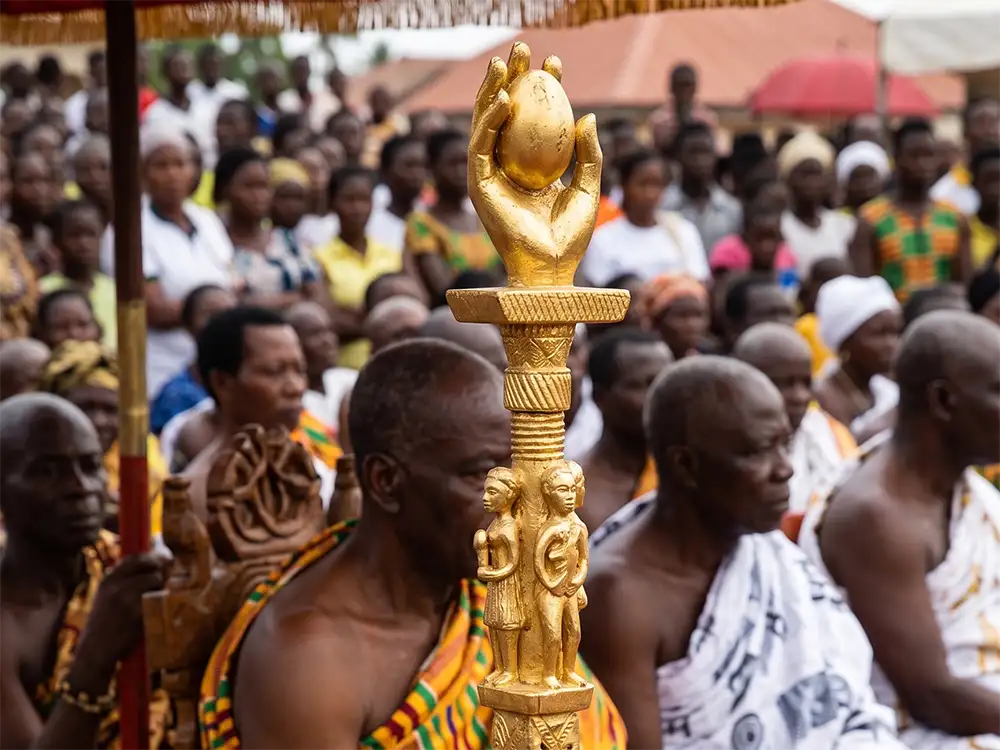
On March 14, 2012, the Ghana Culture Forum was officially launched at the National Theatre in Accra, matching the start of a new era for cultural governance in Ghana. Celebrated alongside the inaugural Ghana Cultural Week, the forum established its mandate to protect the socio-economic rights of practitioners and modernize the National Cultural Policy framework.
Today, GCF stands as the peak civil society body for the arts, recognized by state ministries and global institutions alike. From our foundational beginnings to our modern role in driving the Creative Arts Industry Act, we continue to write the story of a self-sustaining creative asset for future generations.
Help Shape the Next Chapter
Our story is actively being written by the thousands of practitioners who make up our 10 creative domains. Bring your voice to the movement.